
The Art of Prophylaxis: Learning to Stop Your Opponent’s Plans Before They Start
Author
Sangam Kumar
Published
Oct 01, 2023
Reading Time
16 min
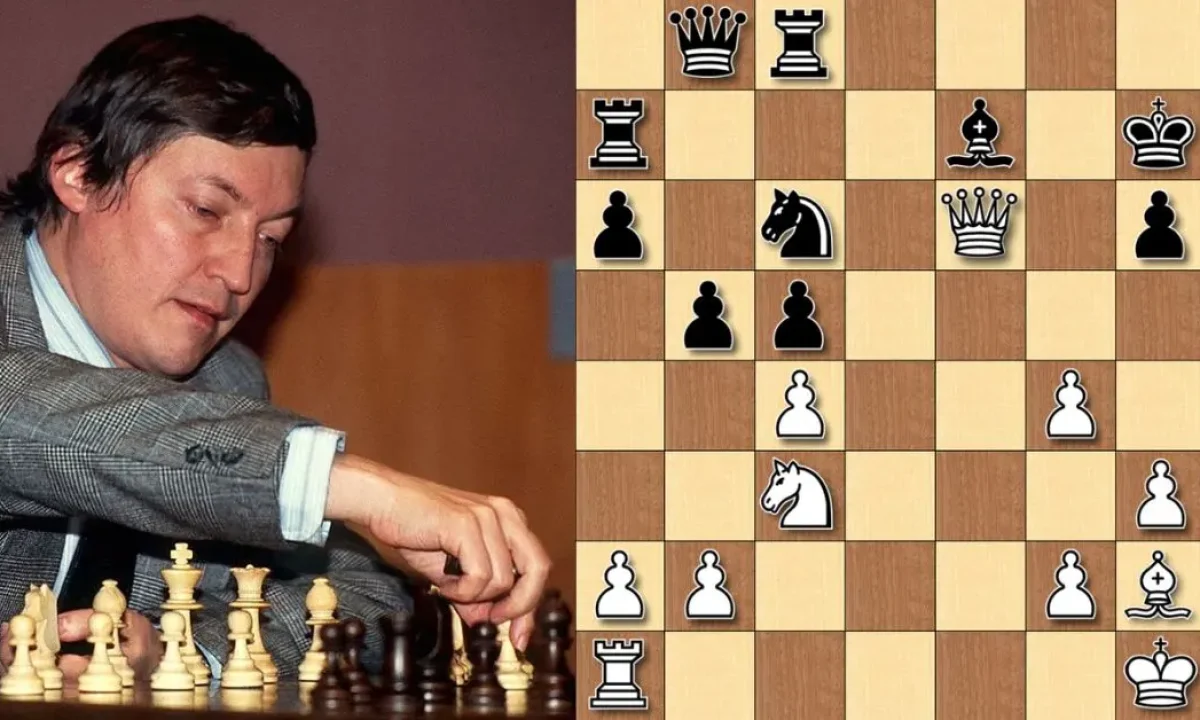
Prophylaxis is a Greek word meaning 'guarding against.' In chess, it is the art of asking one simple question before every move: 'What is my opponent planning?' While most beginners focus only on their own attacks, Masters focus on stopping the opponent's counterplay. This was the legendary style of World Champion Anatoly Karpov.
Karpov didn't win by attacking the King directly. He won by slowly taking away all his opponent's squares until they couldn't move a single piece. This is often called 'The Boa Constrictor' style. To practice prophylaxis, you must look for your opponent's most active piece and find a way to neutralize it.
A classic example of prophylaxis is making a 'waiting move' that improves your position while making your opponent's planned expansion impossible. It requires extreme patience. Often, the best move in a position isn't a check or a capture, but a small pawn move that prevents a future knight jump.
At Evergreen Academy, we teach Prophylaxis through the study of 'Grandmaster Classics.' By looking at the games of Tigran Petrosian and Karpov, students learn how to suffocate an opponent's attack before it even begins. Mastering this skill makes you an incredibly difficult player to beat. It transforms your game from 'Calculated Chaos' into 'Controlled Domination.' Once you start seeing the board through your opponent's eyes, you have truly reached the next level of chess mastery.
Ready to master the game?
Join Evergreen Chess Academy and train with professional coaches today.