
AI & Stockfish: How to Study with Chess Engines Without Killing Your Intuition
Author
Deepak Verma
Published
Oct 15, 2023
Reading Time
11 min
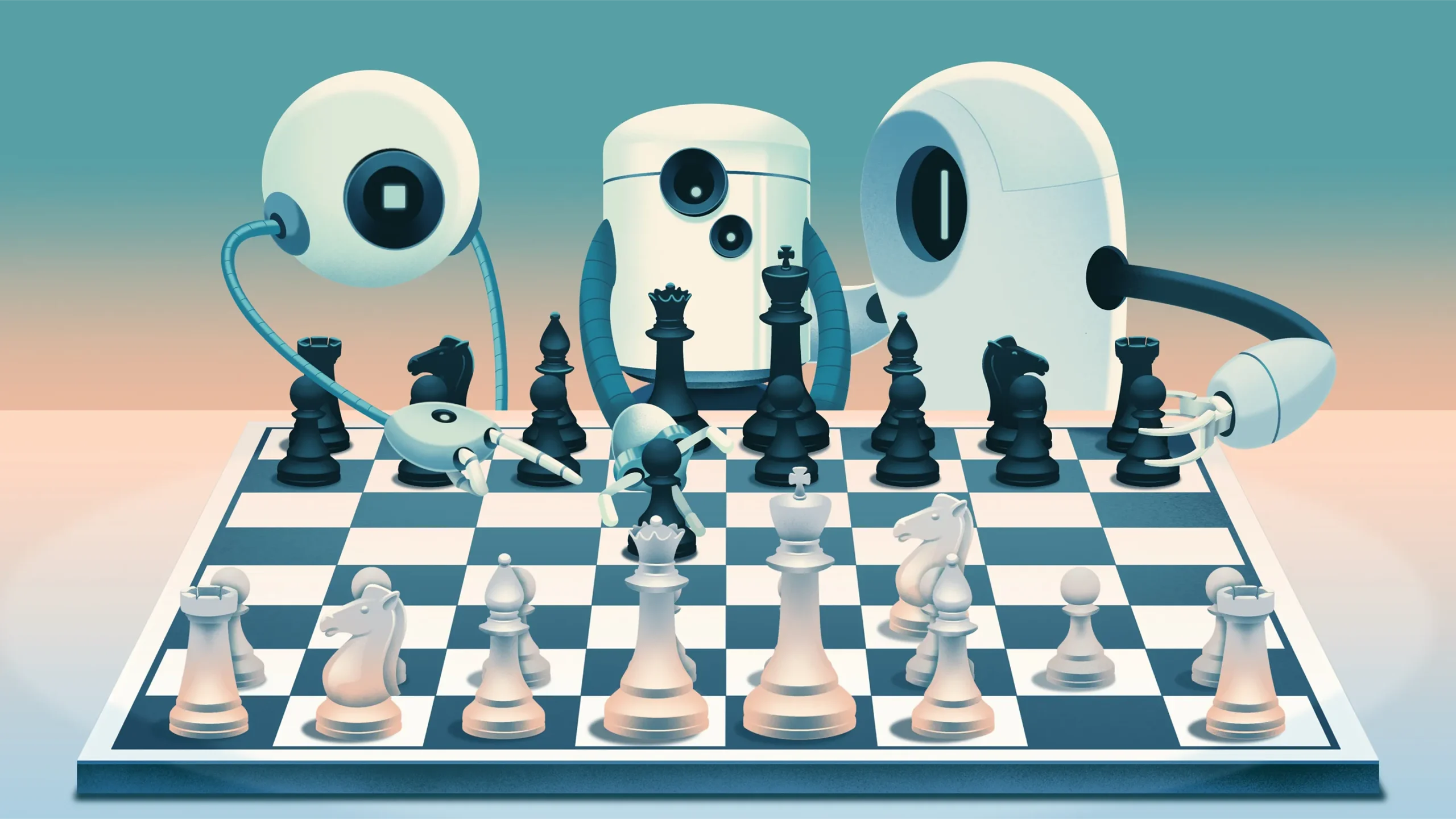
We live in the era of Stockfish 16 and AlphaZero. Modern chess engines are stronger than any human in history, but they are a double-edged sword. If you rely too much on the 'computer evaluation,' you will stop thinking for yourself. This leads to a common problem: 'Engine-Dependency,' where a player is brilliant at home but lost during a real tournament when the computer isn't there to help.
The correct way to study with AI is the '15-Minute Rule.' After your game, analyze it for 15 minutes by yourself with a physical board. Try to find where you went wrong. Only after you have made your own conclusions should you turn on the engine. The engine should be used to verify your thoughts, not replace them.
Another professional technique is using engines to identify 'Tactical Blindspots.' If the engine says a move is +3.0 and you thought it was equal, don't just accept the number. Play out the line against the computer. See why your move was bad. This 'Active Learning' forces your brain to understand the logic behind the computer's choice.
Finally, remember that engines don't understand 'Human Pressure.' A computer might say a position is a draw, but for a human, it might be incredibly difficult to defend. At Evergreen Academy, we teach our students to look for 'Practical Chances.' Sometimes, the move the engine hates is actually the best move to play against a human opponent who is low on time. Use technology as a coach, not a crutch.
Ready to master the game?
Join Evergreen Chess Academy and train with professional coaches today.